الوصف الفني متوفر باللغة الإنجليزية.
How it works
The outer tie rod end connects the steering linkage to the steering knuckle. Its ball joint allows the connection to pivot as the suspension moves while transmitting steering force.
What happens when it fails
Wear creates excessive movement in the steering linkage and affects wheel alignment. Complete joint separation can cause loss of steering control.
Signs of wear or failure
- Excessive steering wheel play
- Clunking when turning
- Uneven front tire wear
- Vehicle wandering
Usually replaced together with
- Tie rod lock nut
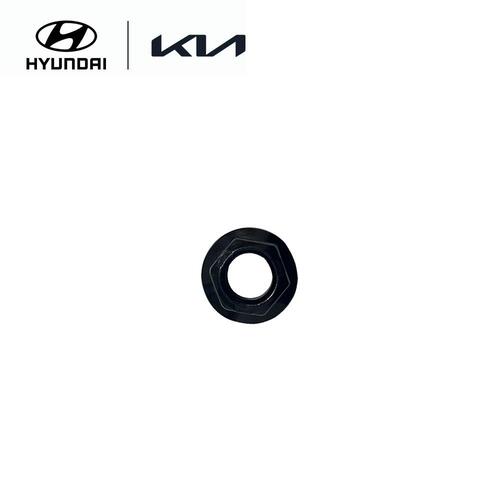
- Ball stud retaining nut
- Inner tie rod if worn
Replacement notes
- Remove the wheel and disconnect the ball stud from the steering knuckle.
- Use a suitable ball joint separator.
- Perform wheel alignment after installation.
Questions and answers
- Must both tie rod ends be replaced together?
- Individual replacement is acceptable if the opposite joint has no excessive play or boot damage.
- Can I drive with a loose tie rod end?
- Driving is unsafe when excessive joint movement is present because the connection may separate.
- Does marking the original adjustment eliminate the need for alignment?
- No. Differences in joint dimensions and thread engagement can change wheel toe.