الوصف الفني متوفر باللغة الإنجليزية.
Hyundai Mobis identifies this part as an aluminum wheel assembly in the wheel component group.
How it works
The wheel connects the tire to the vehicle hub through its central mounting face and fastener locations. Its shape determines tire positioning, brake clearance and the transmission of road loads.
What happens when it fails
A distorted mounting face or bent rim can prevent smooth rotation. Structural cracks may spread under repeated loading and lead to sudden wheel failure.
Signs of wear or failure
- Vibration transmitted through the vehicle body
- Cracks around the spokes or rim
- Air leakage at the tire bead
- Visible lateral movement during wheel rotation
Usually replaced together with
- Tire valve or TPMS sealing components
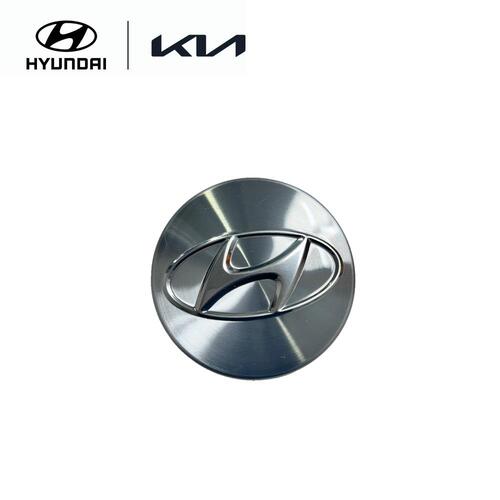
- Missing or damaged center cap
- Damaged tire following an impact
Replacement notes
- Check wheel offset, mounting geometry and brake clearance before fitting.
- Clean corrosion and debris from the hub contact surface.
- Use the correct wheel fastener seating profile.
Questions and answers
- Can I order a wheel based only on its appearance?
- No. Matching spoke designs can conceal differences in offset, mounting geometry and brake clearance.
- Can the existing TPMS sensor be reused?
- A compatible working sensor can usually be transferred using the appropriate replacement sealing hardware.
- Is a cracked aluminum wheel safe to repair?
- Structural cracks require professional assessment. Replacement is generally the safer choice when spokes or mounting areas are damaged.
Part identification based on catalog data from partsro.com.