الوصف الفني متوفر باللغة الإنجليزية.
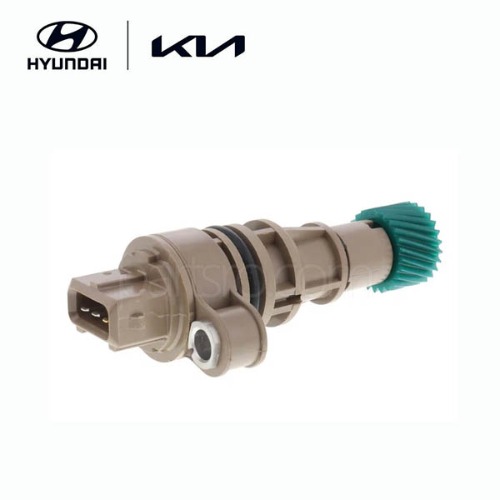
The Hyundai Mobis catalog identifies this component as an outer shaft.
How it works
An outer drivetrain shaft transmits rotational force between mechanically connected drivetrain components. Its engagement surfaces transfer torque while supporting the required alignment with adjoining parts.
What happens when it fails
Wear at the engagement surfaces can introduce excessive rotational play. Severe damage can interrupt torque transmission or damage adjoining drivetrain components.
Signs of wear or failure
- Excessive rotational play at the shaft connection
- Clunking when drivetrain load changes
- Visible wear on torque-transmitting surfaces
- Abnormal noise from the affected drivetrain assembly
Usually replaced together with
- Disturbed shaft seals
- Required retaining rings
- Affected drivetrain lubricant
Replacement notes
- Identify the shaft location in the drivetrain before dismantling the housing.
- Use suitable extraction and installation tools for the shaft retention method.
- Inspect mating engagement surfaces before installing the replacement shaft.
Questions and answers
- Does drivetrain play mean the outer shaft needs replacement?
- Not necessarily. Bearings and mating components can also introduce play, so the source must be isolated before ordering.
- Can I replace the shaft without replacing its mating component?
- Yes, if the mating component remains within its service limits and has no damaged engagement surfaces.
- Should I order new seals with the shaft?
- Seals disturbed during disassembly should generally be renewed to reduce the risk of lubricant leakage.
Part identification based on catalog data from partsro.com.