الوصف الفني متوفر باللغة الإنجليزية.
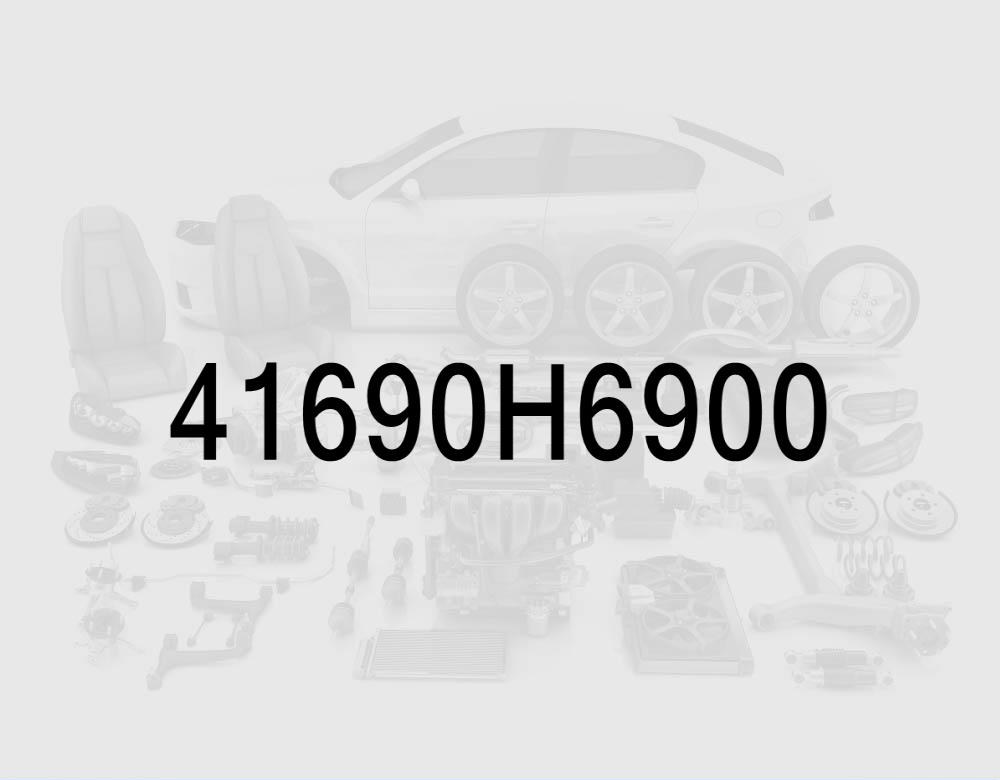
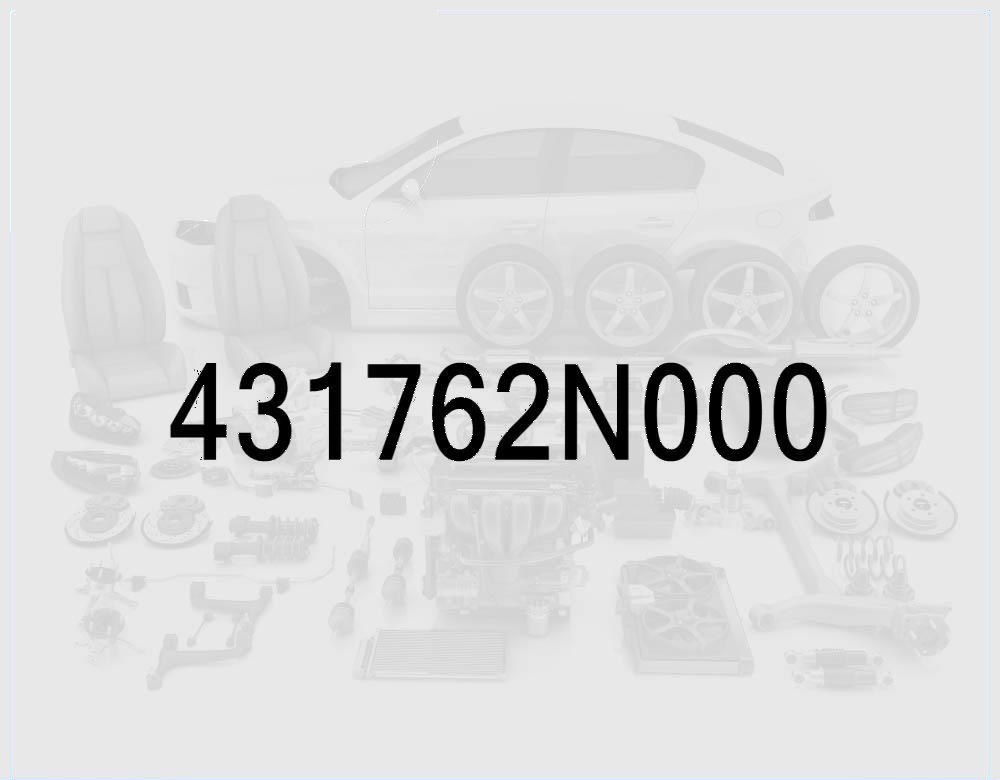
The Hyundai OEM catalog identifies this number as a clutch regulator assembly in the clutch control system.
How it works
A hydraulic clutch regulator modifies fluid flow within the clutch operating circuit. Depending on its design, it can control the rate of clutch engagement or damp pressure fluctuations transmitted through the hydraulic system.
What happens when it fails
Internal restriction or sticking can interfere with normal clutch engagement and disengagement. External leakage can allow hydraulic fluid loss and air entry, reducing clutch control.
Signs of wear or failure
- Inconsistent clutch engagement
- Delayed clutch engagement or release
- Hydraulic fluid leakage around the regulator
- Abnormal clutch pedal response
Usually replaced together with
- Hydraulic connection seals
- Specified clutch hydraulic fluid
- Damaged hydraulic line retaining clips
Replacement notes
- Protect painted surfaces from spilled clutch hydraulic fluid.
- Disconnect hydraulic fittings carefully to avoid damaging the lines.
- Bleed the clutch hydraulic circuit after installation.
Questions and answers
- Does a faulty clutch regulator mean the clutch itself is worn?
- Hydraulic control faults can affect clutch operation independently of friction disc wear.
- Can a clutch regulator be bypassed?
- Bypassing the regulator may change clutch engagement characteristics and should be avoided unless an approved manufacturer procedure permits it.
- Why does the clutch pedal feel soft after regulator replacement?
- Air trapped in the hydraulic circuit can compress under pedal pressure and prevent effective clutch release. The circuit should be checked for leakage and bled correctly.
Part identification based on catalog data from hyundaipartsdeal.com.