الوصف الفني متوفر باللغة الإنجليزية.
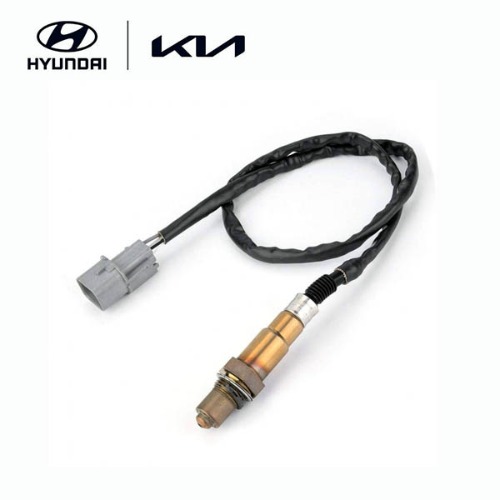
Hyundai Mobis catalogs this component as an oxygen sensor assembly.
How it works
An exhaust oxygen sensor converts changes in exhaust oxygen concentration into electrical information for the engine management system. Depending on its installation position, this information supports air-fuel ratio control or evaluation of catalyst performance.
What happens when it fails
Electrical deterioration or exhaust deposits can make the sensor signal unreliable. The control unit may substitute estimated values or lose the ability to evaluate emissions system performance correctly.
Signs of wear or failure
- Check engine light with sensor circuit faults
- Sensor signal remaining fixed under changing operating conditions
- Abnormal mixture corrections when the sensor controls fueling
- Incomplete emissions readiness monitoring
Usually replaced together with
- Broken oxygen sensor harness clips
- Heat-damaged wiring protection
- Damaged exhaust connection gaskets where required
Replacement notes
- Allow the exhaust system to cool before accessing the threaded sensor.
- Inspect the mounting threads and use an appropriate oxygen sensor wrench.
- Route the replacement sensor cable away from hot exhaust surfaces and moving components.
Questions and answers
- Should I replace every oxygen sensor at the same time?
- Oxygen sensors can be replaced individually when diagnostics isolate a particular sensor and the remaining sensors operate correctly.
- Can an engine oil consumption problem damage a new oxygen sensor?
- Oil-derived exhaust deposits can contaminate the sensing element. Correcting excessive oil consumption helps prevent repeated sensor deterioration.
- Why is my oxygen sensor warning still present after replacement?
- Damaged wiring, connector corrosion, exhaust leakage or an underlying mixture problem may remain unresolved. Diagnostic testing and completion of the relevant monitoring cycle may be necessary.
Part identification based on catalog data from partsro.com.