الوصف الفني متوفر باللغة الإنجليزية.
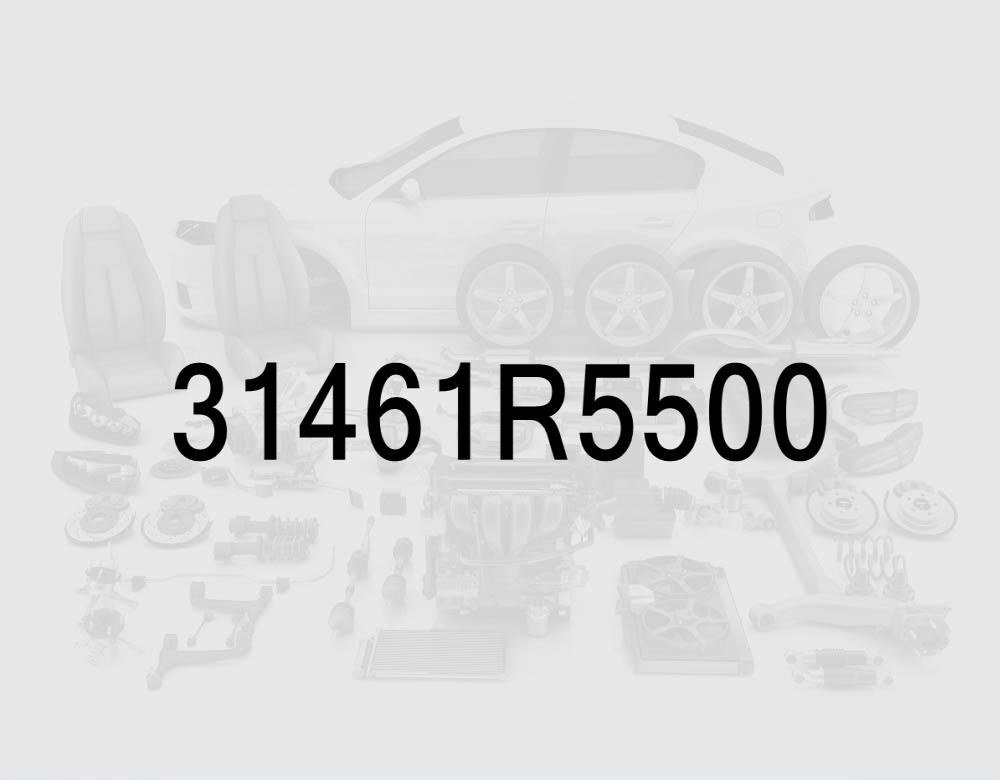
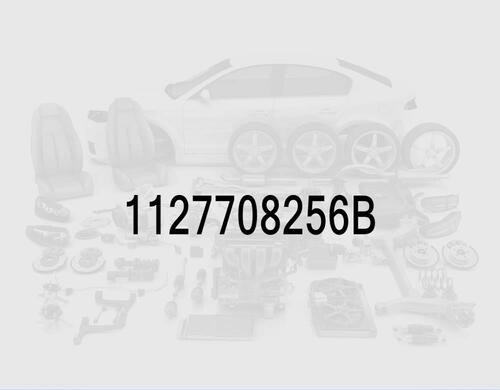
Partsro identifies this component as a combined oil filter and oil cooler assembly.
How it works
An oil filter and cooler assembly combines lubricant filtration with heat transfer. The filter removes suspended contaminants while the cooler helps control the temperature of circulating engine oil. Coolant-fed designs transfer heat between the lubricant and engine coolant through separate internal passages.
What happens when it fails
Damaged seals or cooler surfaces can cause external oil leakage and reduced cooling performance. An internal breach in a coolant-fed cooler can allow oil and coolant to mix.
Signs of wear or failure
- Oil leakage around the cooler housing
- Abnormally high engine oil temperature
- Oily deposits inside the coolant reservoir on coolant-fed systems
- Coolant contamination in engine oil on coolant-fed systems
Usually replaced together with
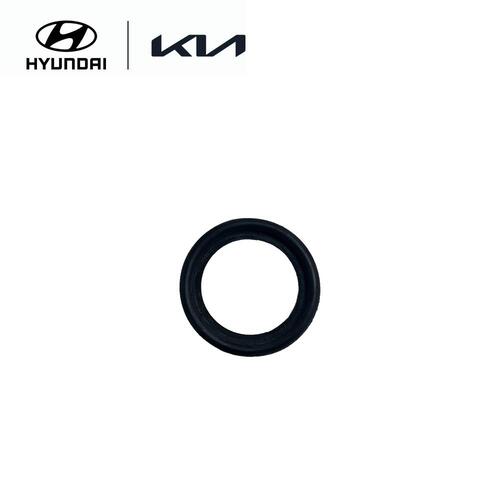
- Oil cooler mounting seals
- Engine oil and filter element
- Engine coolant on coolant-fed systems
Replacement notes
- Drain the fluids associated with the cooler before disconnecting its passages.
- Inspect both oil and coolant circuits for contamination where applicable.
- Confirm normal oil pressure and check the cooler connections for leakage after installation.
Questions and answers
- Can a failed oil cooler cause oil to appear in the coolant reservoir?
- An internal breach in a coolant-fed heat exchanger can allow pressurized engine oil to enter the cooling circuit.
- Does oil in the coolant always indicate a damaged head gasket?
- A leaking oil-to-coolant heat exchanger can produce similar contamination. Testing the cooler helps distinguish these faults.
- Can I replace the cooler seals without changing the complete assembly?
- Separate seal replacement may resolve an external leak if the heat exchanger and housing are structurally sound and the seals are serviceable.
Part identification based on catalog data from partsro.com.