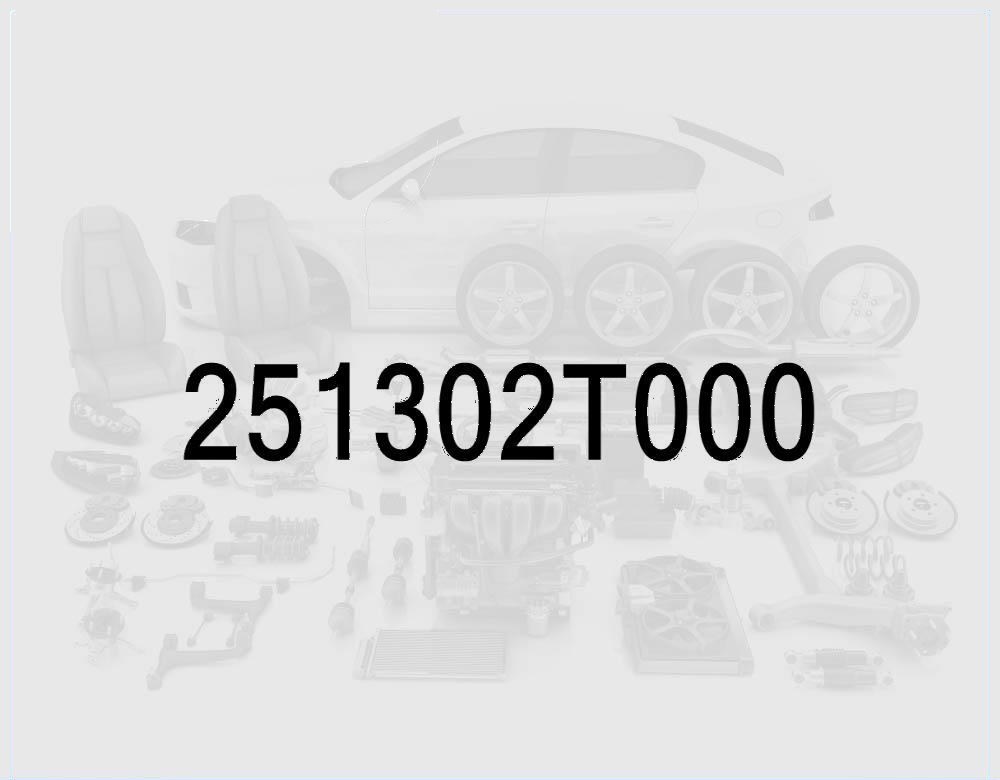
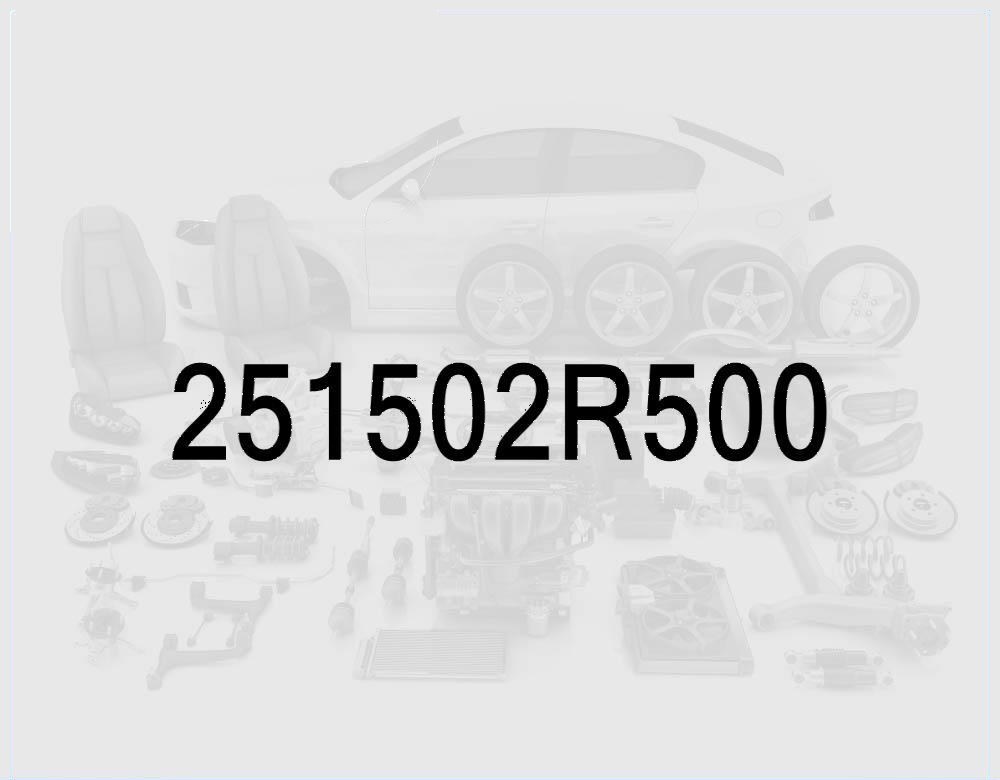
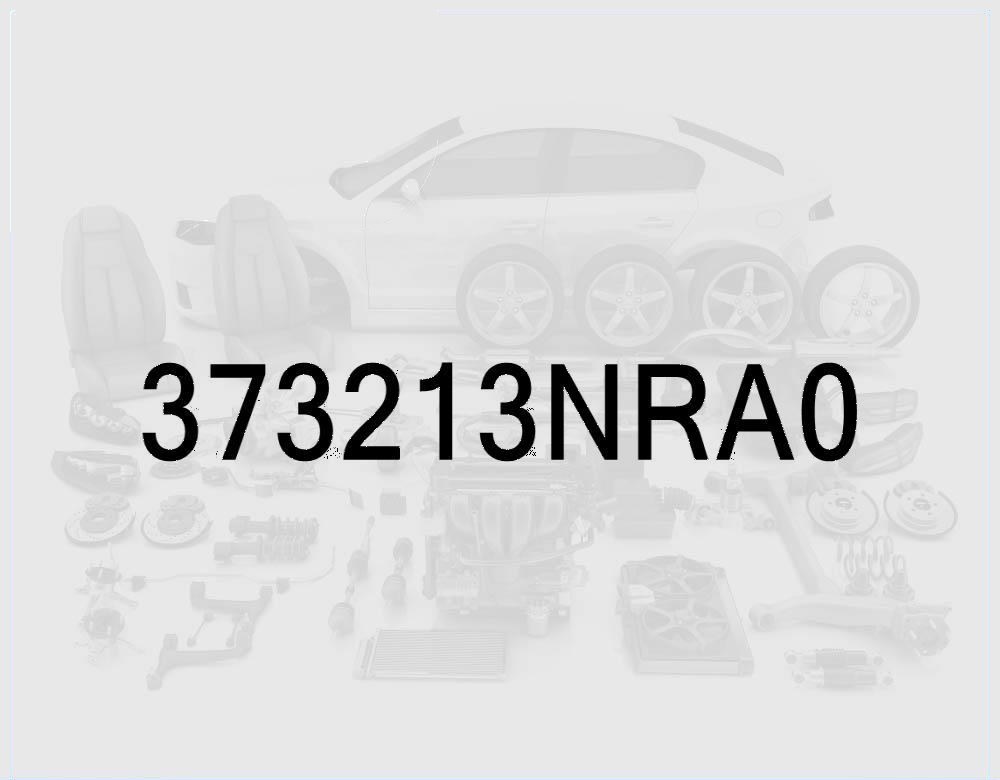
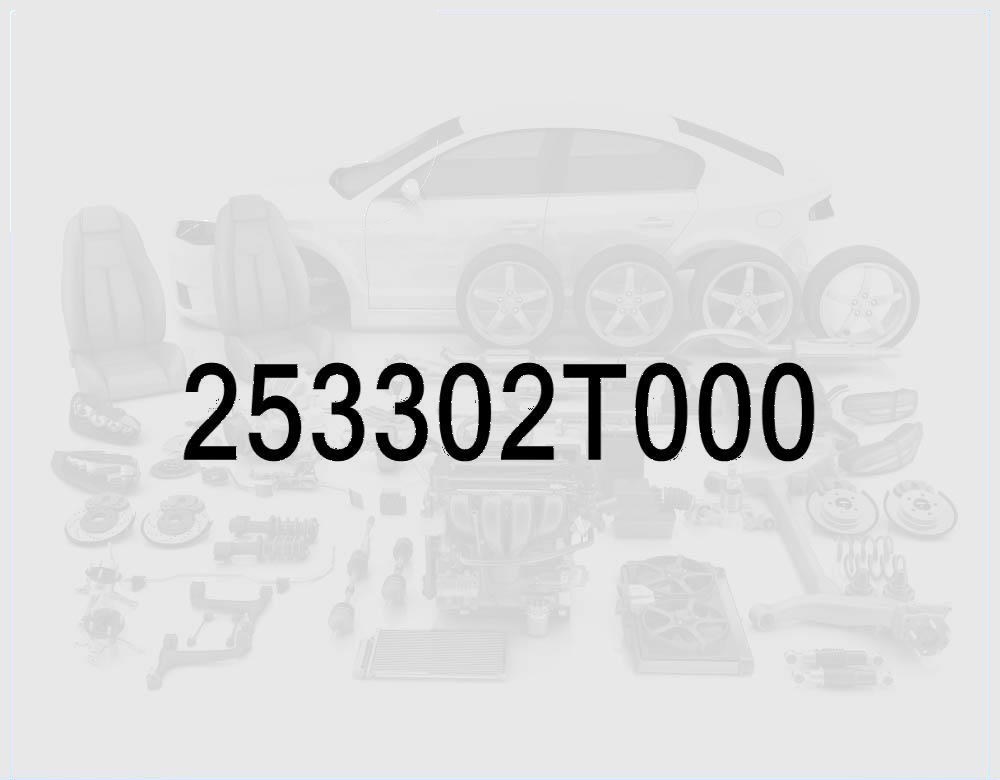
الوصف الفني متوفر باللغة الإنجليزية.
The Hyundai Mobis catalog identifies this component as a timing belt tensioner. It belongs to the engine timing drive.
How it works
A timing belt tensioner maintains the belt tension needed for synchronized engine operation. Depending on its design, it uses a spring-loaded, hydraulic or adjustable mechanism to control belt movement and prevent excessive slack.
What happens when it fails
Loss of tension can allow the timing belt to jump across sprocket teeth. Excessive tension or seizure can damage the belt, potentially causing loss of synchronization and internal engine damage.
Signs of wear or failure
- Abnormal rattling from behind the timing cover
- Whining caused by excessive belt tension
- Visible belt flutter or abnormal tracking
- Tensioner bearing roughness where a pulley is fitted
Usually replaced together with
- Timing belt
- Timing belt idler pulleys
- Timing-driven water pump where applicable
Replacement notes
- Expose the timing drive and position the engine at its specified timing marks.
- Use the appropriate locking tools before releasing belt tension.
- Check timing alignment and belt tracking before starting the engine.
Questions and answers
- Can I replace the tensioner without replacing the timing belt?
- A recently installed and undamaged belt may be reusable if the manufacturer permits it. A belt exposed to abnormal tension, contamination or pulley seizure should be replaced.
- Can I drive with a noisy timing belt tensioner?
- Continued driving is risky because tensioner failure can cause the timing belt to lose synchronization. Have the timing drive inspected before further operation.
- Is the timing belt tensioner the same as the accessory belt tensioner?
- No. The timing tensioner maintains synchronization within the engine, while the accessory tensioner controls the belt driving external equipment.
Part identification based on catalog data from partsro.com.