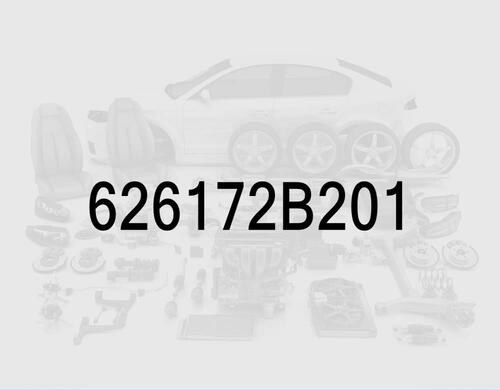
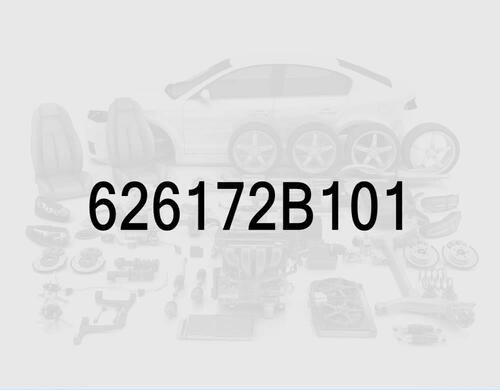
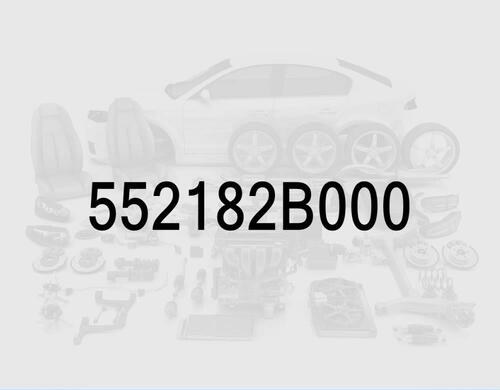
Техническое описание на английском языке.
How it works
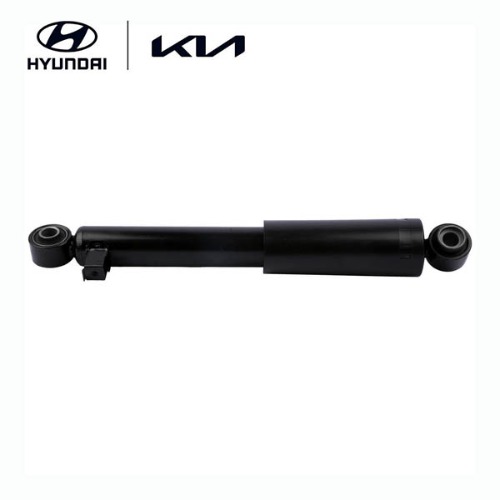
A rear shock absorber controls suspension compression and rebound by forcing hydraulic fluid through internal valves. This damping limits spring oscillation and helps maintain tire contact with uneven road surfaces.
What happens when it fails
Fluid leakage or internal valve deterioration reduces the shock absorber's resistance to suspension movement. The rear wheels may oscillate excessively, reducing stability over bumps and during braking.
Signs of wear or failure
- Repeated rear body bouncing after road bumps
- Hydraulic fluid leakage from the damper
- Rear-end instability on uneven roads
- Cupped or irregular rear tire tread wear
Usually replaced together with
- Shock absorber mounting bushings or mounts
- Damper dust protection boot where serviceable
- Suspension bump stop if deteriorated
Replacement notes
- Support the rear suspension before disconnecting the shock absorber mounting points.
- Inspect mounting brackets and rubber isolators for deformation or deterioration.
- Tighten bonded rubber mounting bushings at the suspension position specified by the manufacturer.
Questions and answers
- Should rear shock absorbers be replaced together?
- Pair replacement helps prevent unequal damping that can affect rear suspension stability during braking and cornering.
- Does a thin oily film mean the shock absorber has failed?
- Light surface misting may be acceptable under manufacturer guidelines. Active fluid leakage, reduced damping or persistent wetness requires further inspection.
- Will replacing rear shock absorbers correct suspension sagging?
- Conventional shock absorbers control movement rather than supporting static vehicle weight. Sagging usually requires inspection of the springs or load-supporting suspension components.