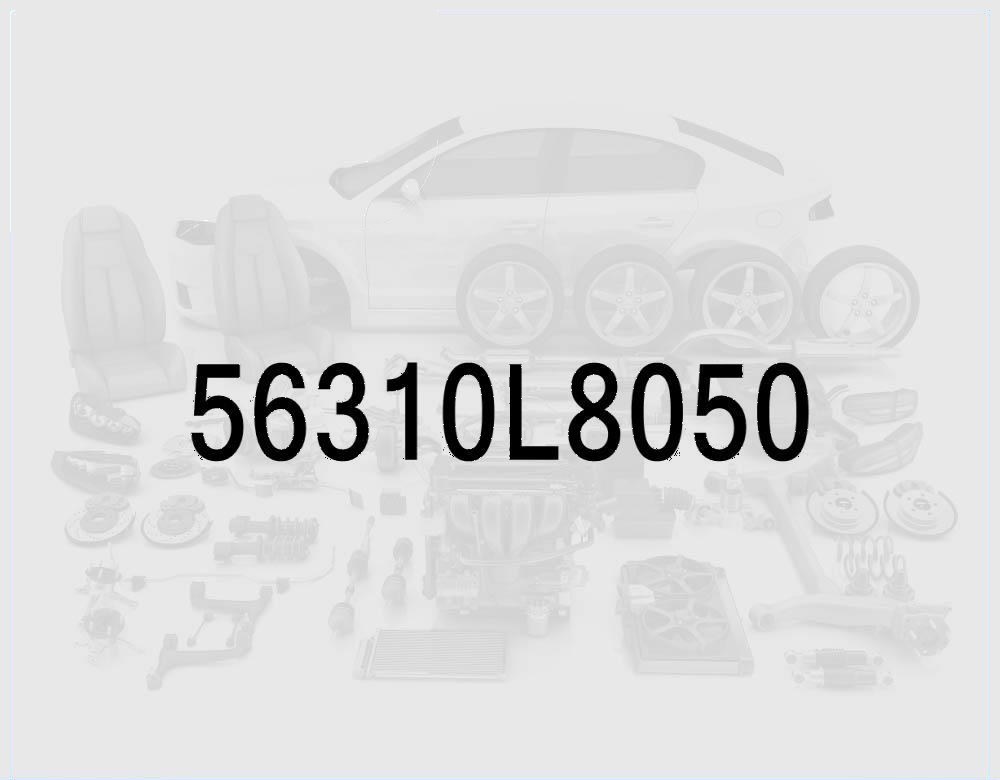
Техническое описание на английском языке.
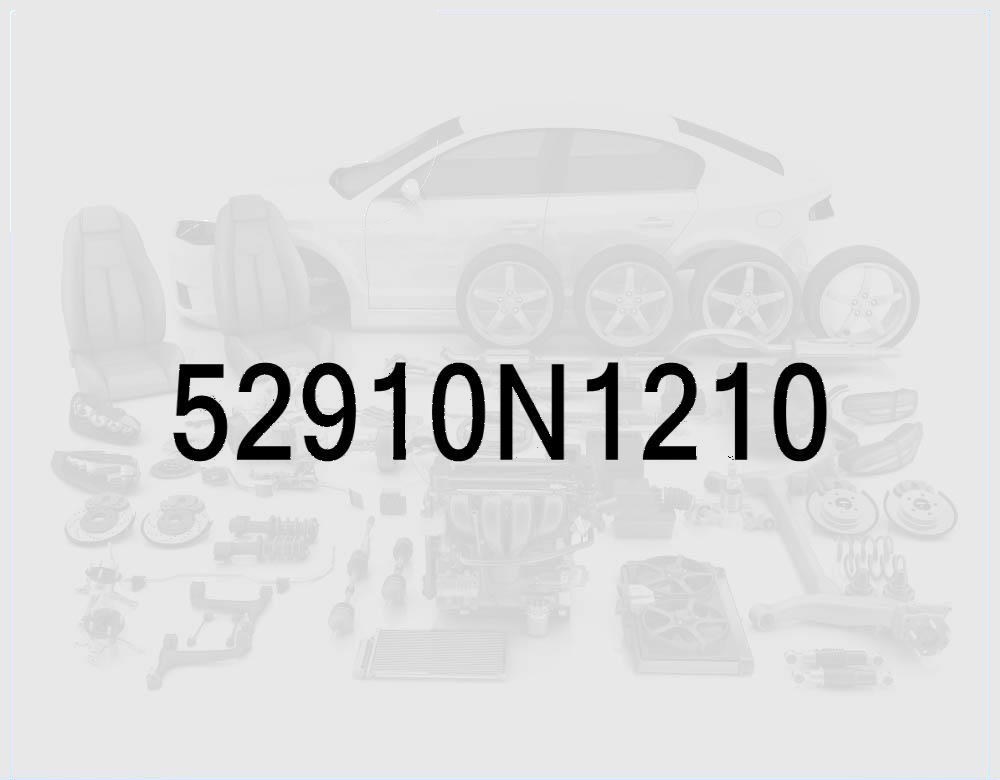
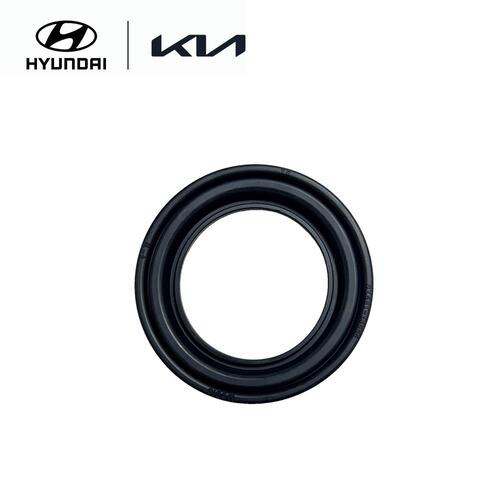
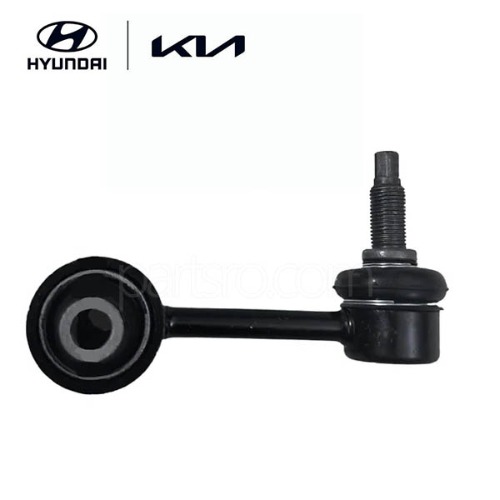
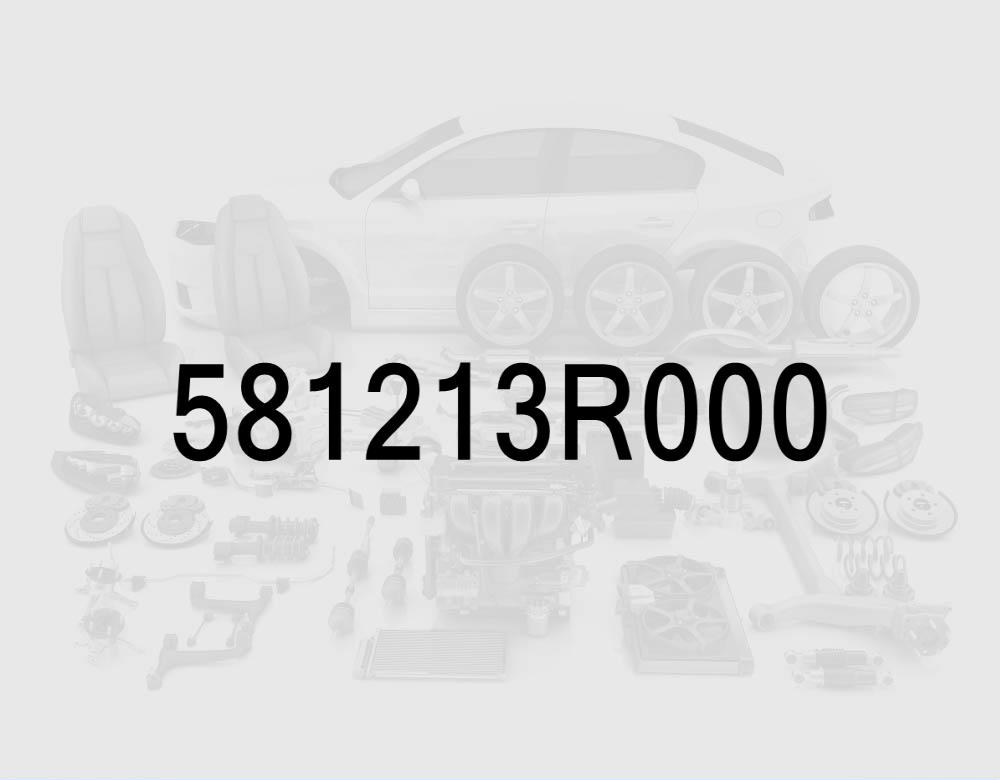
The Hyundai Mobis catalog identifies this component as an aluminum wheel assembly.
How it works
An aluminum wheel supports the tire and connects it to the wheel hub. Its rim provides the tire bead seating surfaces, while its center and spokes transfer braking, cornering and driving forces between the hub and tire.
What happens when it fails
Impact damage, deformation or cracking can compromise wheel balance, structural strength and tire sealing. Severe damage can cause sudden pressure loss or structural wheel failure.
Signs of wear or failure
- Speed-dependent steering or body vibration
- Repeated tire pressure loss around the rim
- Visible cracks or bent rim edges
- Excessive wheel runout during balancing
Usually replaced together with
- Damaged tire
- Valve stem or TPMS service seal
- Wheel balancing weights
Replacement notes
- Use a tire-changing machine to transfer the tire without damaging the bead or wheel finish.
- Verify wheel offset, mounting configuration, load capacity and brake clearance before installation.
- Clean the hub mating surface and balance the assembled wheel before road use.
Questions and answers
- Can I replace an individual damaged aluminum wheel?
- Yes, provided the replacement matches the required wheel specifications and is compatible with the remaining wheels and tires.
- Can a cracked aluminum wheel be driven safely?
- No. A structural crack can grow under repeated loading and may cause sudden tire pressure loss or wheel failure.
- Can I transfer my existing tire pressure sensor to the replacement wheel?
- A compatible and serviceable sensor can generally be transferred. Its valve sealing components should be renewed as required, and sensor registration may be necessary.
Part identification based on catalog data from partsro.com.