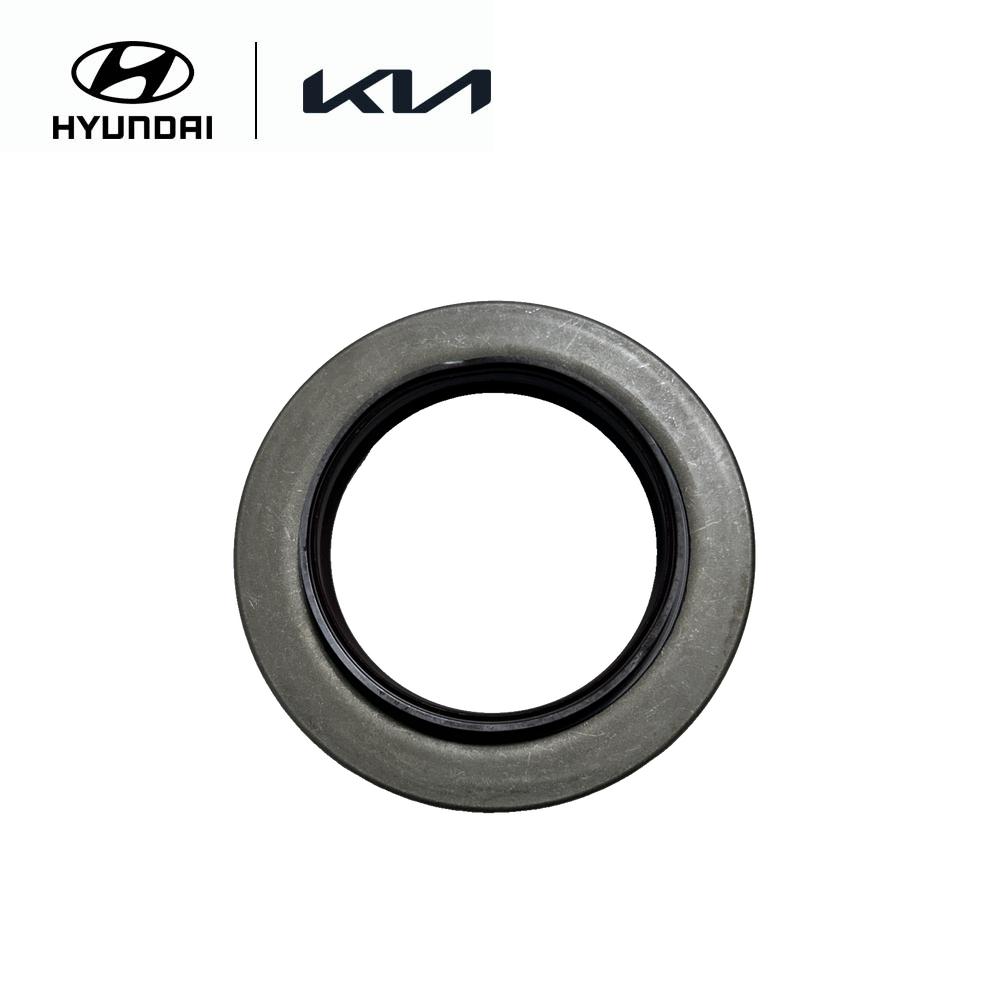
Техническое описание на английском языке.
How it works
An inner oil seal forms a sealing interface between a rotating shaft and a stationary housing. Its flexible sealing lip retains lubricant while restricting the entry of external contamination.
What happens when it fails
A hardened or damaged sealing lip allows lubricant to escape along the shaft. Lubricant loss or contamination can damage nearby bearings and other lubricated components.
Signs of wear or failure
- Fresh lubricant around the shaft opening
- Oil accumulation on the inner housing surface
- Reduced lubricant level in the associated housing
- Bearing noise following prolonged lubricant loss
Usually replaced together with
- Associated housing lubricant
- Housing gasket if disturbed
- Shaft retaining hardware where required
Replacement notes
- Remove the components obstructing access to the seal and withdraw it with a suitable seal puller.
- Inspect the shaft sealing surface for grooves, corrosion and damage.
- Install the replacement in the specified orientation without damaging its sealing lip.
Questions and answers
- Why does a new oil seal sometimes leak immediately?
- A grooved shaft, incorrect installation depth, damaged sealing lip or excessive shaft movement can prevent effective sealing.
- Can an oil seal be reused after removal?
- Removal can distort the seal body or damage its lip. Installing a new seal is generally preferable.
- Should the sealing lip be lubricated before installation?
- Follow the seal manufacturer's instructions. Conventional elastomer lips commonly require lubrication, while some seal designs require dry installation.