Техническое описание на английском языке.
How it works
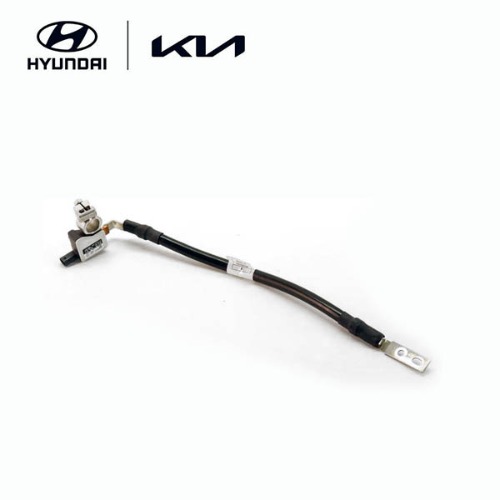
A battery sensor monitors electrical current flowing into and out of the battery. Depending on its design, it also measures voltage and temperature to help the charging control system estimate battery condition and available charge.
What happens when it fails
Incorrect battery readings can cause the charging system to operate inefficiently. Automatic engine stop-start and other energy management functions may become unavailable.
Signs of wear or failure
- Automatic stop-start system becomes unavailable
- Repeated battery discharge
- Battery sensor communication fault codes
- Implausible battery current readings in diagnostic live data
Usually replaced together with
- Negative battery cable if separately damaged
- Damaged battery terminal hardware
- Corroded sensor connector terminals
Replacement notes
- Switch off the electrical system before disconnecting the battery.
- Inspect the negative battery cable and ground connections for corrosion.
- Perform the battery sensor initialization procedure if required by the manufacturer.
Questions and answers
- Can a faulty battery sensor drain the battery?
- Incorrect sensor readings can disrupt charging management and leave the battery insufficiently charged. Check battery condition and parasitic current draw before replacing the sensor.
- Should I replace the battery at the same time?
- Only if battery testing reveals deterioration. A functioning battery can normally be reused after sensor replacement.
- Can I bypass the battery sensor?
- Bypassing it prevents the charging controller from accurately monitoring battery current and may disable energy management functions.