Техническое описание на английском языке.
How it works
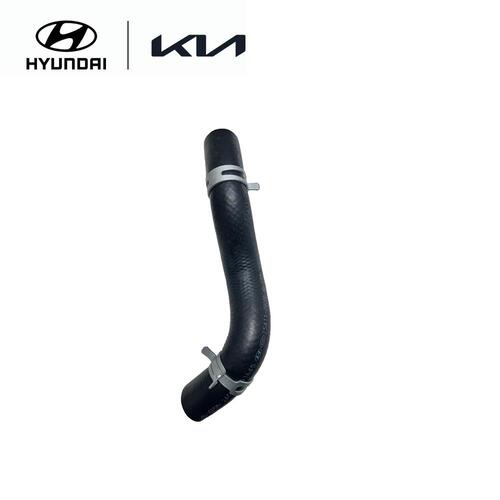
A radiator inlet hose carries heated coolant into the radiator for heat dissipation. Its flexible reinforced construction accommodates engine movement and cooling system pressure.
What happens when it fails
Deteriorated hose material can crack, swell or rupture under pressure. Escaping coolant reduces the cooling system's ability to remove engine heat.
Signs of wear or failure
- Coolant leaking near the radiator inlet
- Bulging sections of the hose
- Cracking around hose connections
- Steam escaping from the radiator hose
Usually replaced together with
- Hose clamps
- Engine coolant
- Damaged connector seals
Replacement notes
- Allow the engine to cool completely before opening the cooling system.
- Drain coolant below the hose connection before removal.
- Position the clamps behind the retaining beads of the hose fittings.
Questions and answers
- Can a radiator inlet hose look fine when it is damaged internally?
- Internal deterioration can weaken the reinforcing layers before external cracks become visible. Localized softness or swelling indicates possible damage.
- Can I use a universal straight hose instead?
- Incorrect routing can introduce kinks, restrict coolant flow or bring the hose into contact with surrounding components.
- Should I replace the original hose clamps?
- Replace clamps that have lost tension, developed corrosion or become distorted. Use clamps compatible with the hose and fitting design.