ტექნიკური აღწერა ინგლისურ ენაზეა.
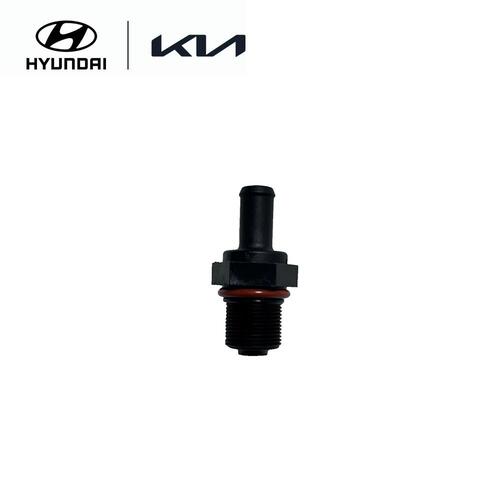
Hyundai Mobis identifies this as a cooler condenser assembly in the air conditioning system.
How it works
An air conditioning condenser releases heat from compressed refrigerant into outside air. As heat is removed, the refrigerant condenses into a liquid before continuing through the cooling circuit.
What happens when it fails
A leaking condenser allows refrigerant to escape and reduces air conditioning performance. Restricted airflow or internal blockage can increase system pressure and compressor load.
Signs of wear or failure
- Warm air from the cabin vents
- Oily refrigerant residue around the condenser
- Reduced cooling while stationary
- Abnormally high air conditioning discharge pressure
Usually replaced together with
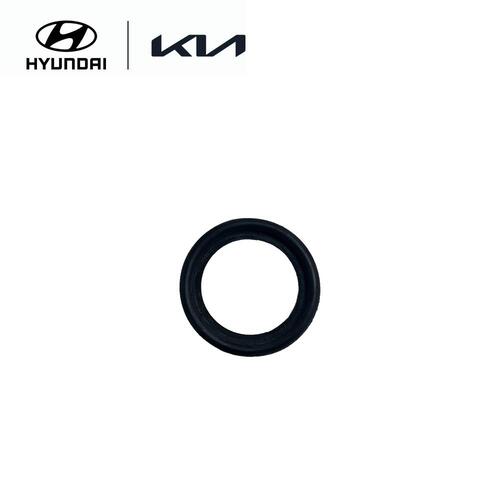
- Refrigerant connection O-rings
- Receiver-drier or desiccant where serviceable
- Specified air conditioning refrigerant
Replacement notes
- Recover refrigerant using approved air conditioning service equipment before disconnecting lines.
- Keep open refrigerant connections capped to prevent moisture and contamination.
- Evacuate, leak-test and recharge the system according to manufacturer specifications.
Questions and answers
- Can a damaged air conditioning condenser be repaired?
- Minor external fin damage may be corrected carefully, but leaking refrigerant passages generally require condenser replacement.
- Should I replace the condenser after compressor failure?
- Internal compressor damage can spread debris through the refrigerant circuit. Condensers with passages that cannot be effectively cleaned may require replacement.
- Can I replace the condenser without recovering refrigerant?
- No. Opening a charged circuit releases pressurized refrigerant and creates injury and environmental hazards. Professional recovery equipment is required.
Part identification based on catalog data from partsro.com.