ტექნიკური აღწერა ინგლისურ ენაზეა.
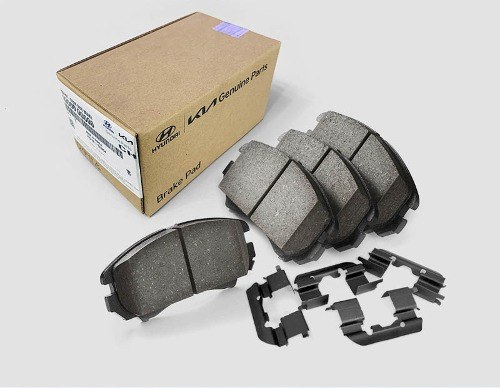
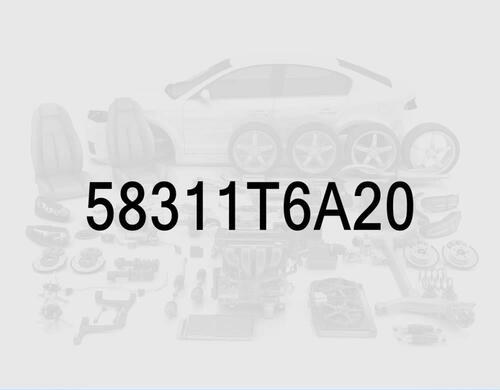
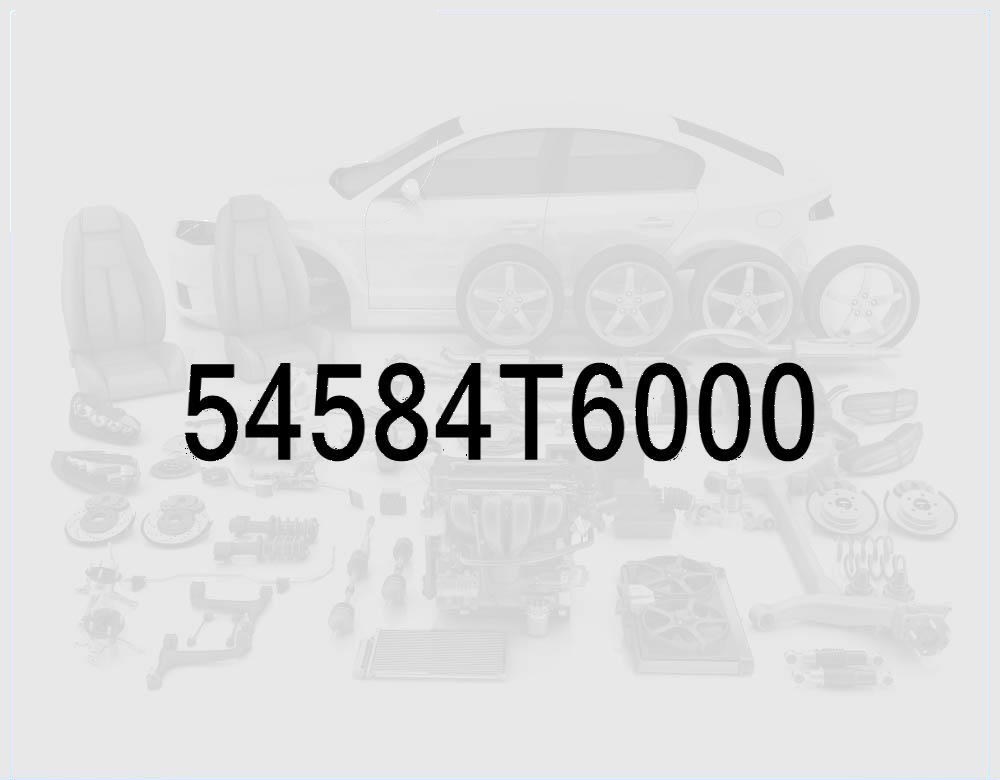
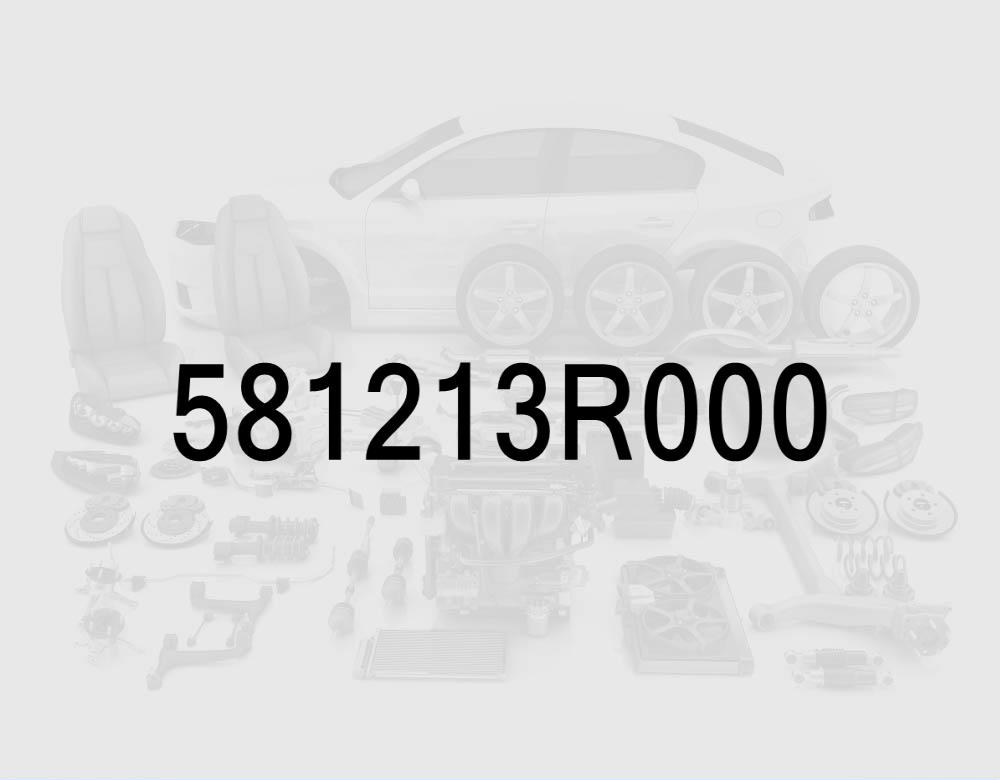
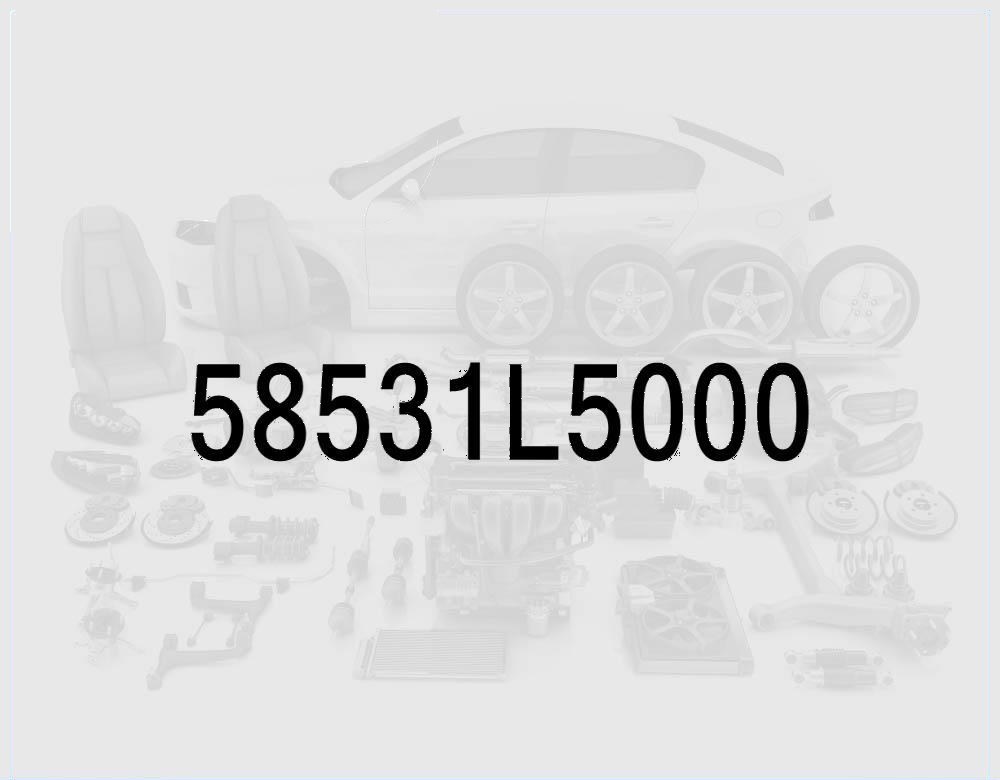
Hyundai Mobis identifies this component as a rear disc brake pad kit. It is cataloged as a rear wheel brake pad set.
How it works
Rear disc brake pads generate friction against the rear brake discs when the calipers apply pressure. They contribute to balanced vehicle deceleration and allow the rear brakes to participate in electronic stability control interventions.
What happens when it fails
Worn friction material reduces the remaining usable pad thickness and can expose the metal backing plates. Seized caliper hardware may cause uneven rear pad wear, continuous friction and overheating.
Signs of wear or failure
- Grinding or scraping from the rear brakes
- Unequal wear between inner and outer rear pads
- Excessive brake dust on a rear wheel
- Rear wheel overheating caused by continuous pad contact
Usually replaced together with
- Rear brake discs if outside service limits
- Rear pad retaining springs
- Caliper guide pin boots if damaged
Replacement notes
- Activate the prescribed maintenance mode if the rear calipers incorporate an electronic parking brake.
- Use the piston retraction method specified for the rear caliper design.
- Inspect guide pin movement and restore normal parking brake operation after installation.
Questions and answers
- Can rear brake pads wear out before the front pads?
- Yes. Electronic stability control activity, brake force distribution and dragging rear calipers can accelerate rear pad wear.
- Do I need a diagnostic tool to replace rear brake pads?
- Some electronic parking brake systems require a diagnostic tool to retract the mechanism and complete maintenance initialization.
- Can rear disc brake pads restore parking brake performance?
- Only when the parking brake operates through those pads and their condition contributes to the fault. Separate drum-style parking brake shoes require their own inspection.
Part identification based on catalog data from partsro.com.