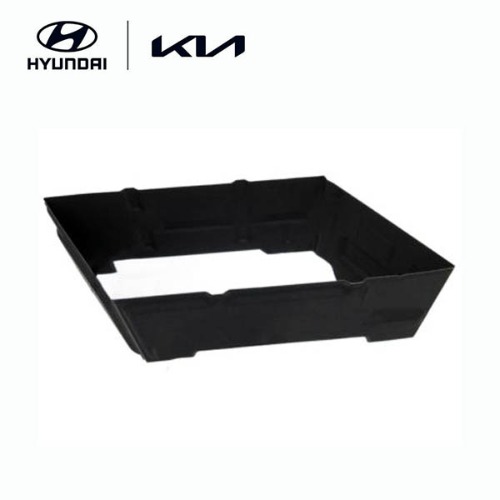
ტექნიკური აღწერა ინგლისურ ენაზეა.
How it works
A rear muffler reduces exhaust noise by controlling sound waves through internal chambers or sound-absorbing materials. Exhaust gases then leave the vehicle through the tailpipe.
What happens when it fails
Corrosion or damaged seams can allow exhaust gases and noise to escape. Detached internal components can rattle or restrict exhaust flow.
Signs of wear or failure
- Unusually loud exhaust noise
- Metallic rattling inside the muffler
- Visible corrosion holes
- Exhaust escaping around damaged seams
Usually replaced together with
- Exhaust flange gasket
- Rubber exhaust hangers
- Corroded mounting hardware
Replacement notes
- Support the muffler before releasing its mounting hardware.
- Use a vehicle lift and suitable tools for seized exhaust fasteners.
- Align the exhaust system to prevent contact with the body or heat shields.
Questions and answers
- Can a rusted muffler be welded instead of replaced?
- Localized damage may be repairable if the surrounding metal remains structurally sound. Extensive corrosion generally requires replacement.
- Is the rear muffler the same as a resonator?
- A resonator primarily targets particular sound frequencies, while the rear muffler generally reduces overall exhaust noise.
- Why does my new muffler knock against the body?
- Incorrect alignment, deteriorated rubber hangers or tension in the exhaust mounting system can allow unwanted contact.