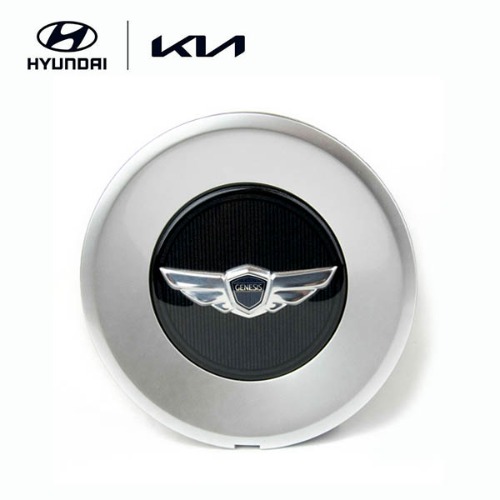
Rear shock absorber assembly manufactured by Hyundai Mobis.
How it works
A rear shock absorber controls suspension oscillation by forcing hydraulic fluid through internal valves. It dissipates movement energy and helps maintain tire contact with the road.
What happens when it fails
Reduced damping allows the rear suspension to bounce excessively after road disturbances. This can reduce rear-wheel grip and vehicle stability.
Signs of wear or failure
- Repeated rear suspension bouncing after bumps
- Hydraulic fluid leaking from the damper
- Excessive rear body movement during cornering
- Cupped or scalloped rear tire wear
Usually replaced together with
- Opposite-side rear shock absorber
- Shock absorber dust boot
- Suspension bump stop
Replacement notes
- Support the rear suspension before removing the damper mounting fasteners.
- Use suitable spring compression equipment if the damper is integrated into a spring assembly.
- Inspect the upper and lower mounting bushings before transferring any reusable components.
Questions and answers
- Should rear shock absorbers be replaced in pairs?
- Replacing both sides is generally recommended because unequal damping can reduce rear axle stability during braking and cornering.
- Does a shock absorber need replacement if it is slightly oily?
- A light oil mist does not always indicate failure. Running fluid, persistent wetness or reduced damping requires further inspection.
- Will new rear shock absorbers fix a sagging suspension?
- Conventional dampers primarily control movement rather than support vehicle weight. Sagging usually requires inspection of the springs or load-supporting suspension components.
Part identification based on catalog data from partsro.com.