How it works
A front suspension strut controls spring oscillation through hydraulic damping. Its structural housing also helps locate the wheel relative to the vehicle body.
What happens when it fails
Loss of damping allows excessive suspension movement after bumps. Severe wear can reduce tire contact with the road during braking and cornering.
Signs of wear or failure
- Repeated front-end bouncing after bumps
- Excessive nose dive during braking
- Hydraulic fluid leaking from the strut
- Scalloped front tire tread wear
Usually replaced together with
- Upper strut mount and bearing
- Compression bump stop
- Piston rod dust boot
Replacement notes
- Detach the strut from the steering knuckle and release attached hose brackets.
- Use an approved spring compressor before removing the upper retaining nut from a loaded strut.
- Check wheel alignment after installation.
Questions and answers
- Should front struts be replaced together?
- Replacement across the axle is generally recommended to maintain balanced suspension damping.
- Does a replacement strut include the coil spring?
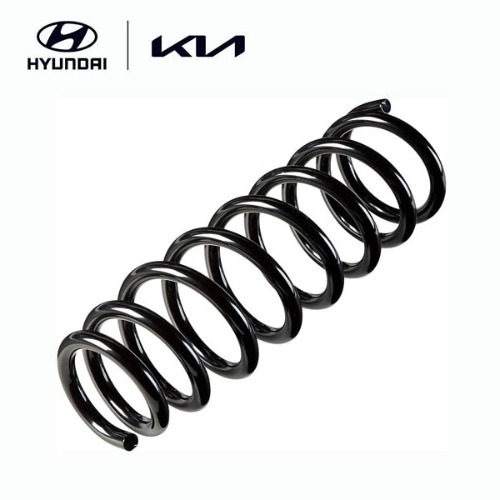
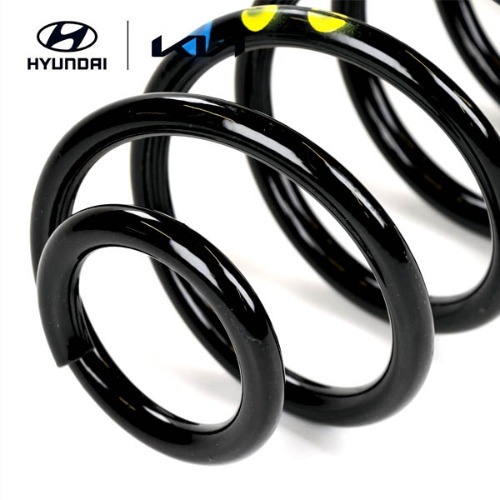
- A bare strut normally requires the spring and associated mounting components to be transferred or purchased separately.
- Can I dismantle the strut without a spring compressor?
- No. A loaded coil spring stores substantial energy and can cause severe injury if released uncontrolled.