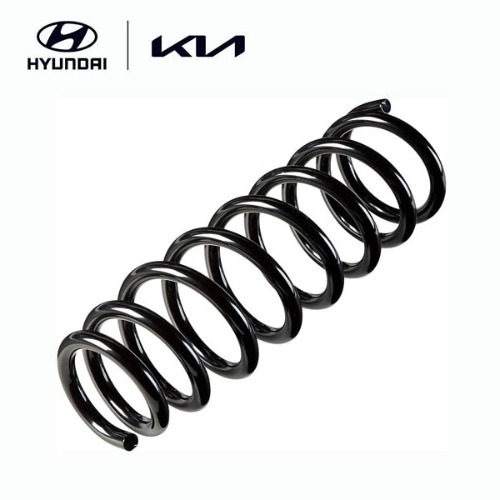
The Hyundai Mobis catalog identifies this component as a left front strut assembly. Partsro also describes it as a front left shock absorber.
How it works
A suspension strut controls spring oscillation by forcing hydraulic fluid through internal damping valves. It also forms a structural connection between the wheel carrier and the vehicle body.
What happens when it fails
Loss of damping allows excessive suspension movement after bumps or during braking. Reduced wheel control can impair road contact and accelerate irregular tire wear.
Signs of wear or failure
- Repeated bouncing after road bumps
- Heavy oil leakage from the strut body
- Excessive front-end dipping during braking
- Scalloped tire tread wear
Usually replaced together with
- Upper strut mount
- Strut dust boot
- Compression bump stop
Replacement notes
- Support the wheel carrier and disconnect attached hose or wiring brackets before removing the strut.
- Use an approved spring compressor when transferring a loaded coil spring.
- Check wheel alignment after fitting the replacement.
Questions and answers
- Should front struts be replaced together?
- Replacing struts in axle pairs is generally recommended to maintain balanced damping during braking and cornering.
- Does a strut assembly always include the coil spring?
- A strut assembly can refer to the damper unit alone. A complete preassembled suspension unit normally includes the spring and upper mounting components, so check the package contents before ordering.
- Can I reuse the existing coil spring?
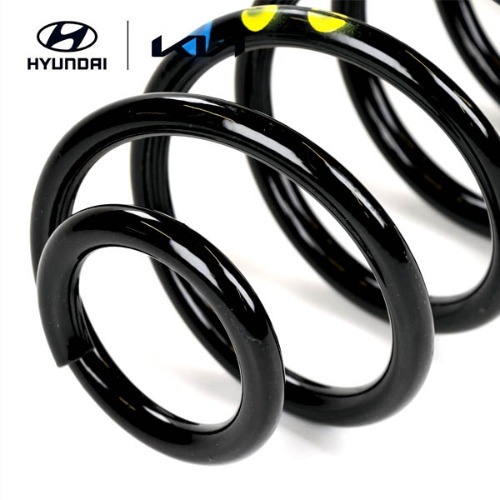
- An undamaged spring can normally be transferred if it has no significant corrosion, distortion or loss of ride height.
Part identification based on catalog data from partsro.com.