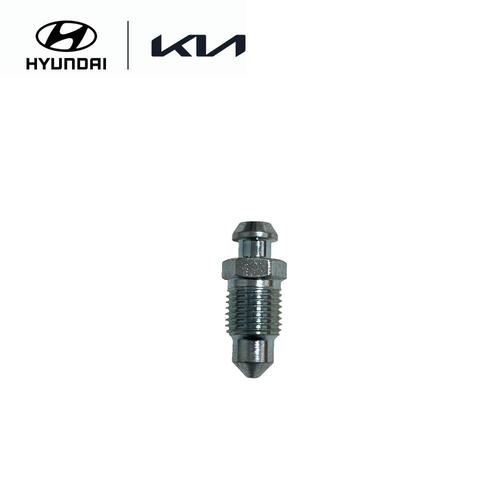
Hyundai Mobis identifies this component as an aluminum wheel assembly in the wheel group.
How it works
An aluminum wheel provides the structural connection between the tire and wheel hub. Its rim profile retains the tire beads and allows the mounted tire to remain airtight.
What happens when it fails
Damage to the bead seating surface can prevent the tire from maintaining pressure. Distortion or cracking can introduce imbalance and weaken the wheel under driving loads.
Signs of wear or failure
- Persistent air leakage around the tire bead
- Visible cracking near the spokes
- Vibration that remains after tire balancing
- Corrosion or deformation around the bead seat
Usually replaced together with
- Valve stem seal
- Wheel balancing weights
- Center cap if missing or damaged
Replacement notes
- Inspect the rim identification markings before mounting the tire.
- Use protected tire mounting equipment to avoid damaging the wheel finish.
- Check brake clearance and hub seating before driving.
Questions and answers
- Is a visually identical aluminum wheel necessarily compatible?
- No. Wheel offset, load rating, hub bore and mounting dimensions must also match the vehicle requirements.
- Can corrosion cause a tire leak without a puncture?
- Yes. Corrosion beneath the tire bead can create small air passages between the tire and rim.
- Does replacing an aluminum wheel require a new TPMS sensor?
- A compatible working sensor can often be transferred. Its sealing components should be inspected and renewed where required.
Part identification based on catalog data from partsro.com.