How it works
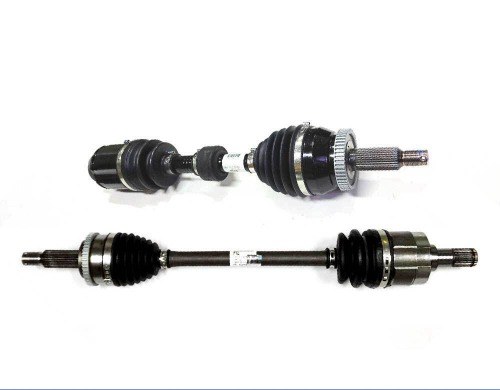
A drive shaft damper uses a tuned mass and resilient material to reduce axle shaft resonance. It absorbs vibration energy within its designed operating range rather than transmitting driving torque.
What happens when it fails
Deteriorated rubber or displaced damper material reduces vibration suppression. A loose damper may move along the shaft or contact surrounding components.
Signs of wear or failure
- Driveline vibration within a particular speed range
- Cracked or separated damper rubber
- Damper displacement along the axle shaft
- Contact marks around the damper
Usually replaced together with
- Damper retaining clamps where fitted
- Damaged adjacent CV joint boots
- Disturbed CV boot clamps
Replacement notes
- Inspect the damper position and mounting arrangement before removal.
- Remove the drive shaft if the damper cannot be serviced in place.
- Install the replacement at its specified shaft position without damaging the resilient material.
Questions and answers
- Is a drive shaft damper the same as a suspension shock absorber?
- A shaft damper suppresses driveline resonance. A suspension shock absorber controls suspension movement through hydraulic damping.
- Can I remove a damaged shaft damper permanently?
- Removing it changes the shaft's vibration characteristics and may introduce resonance during driving. Restoring the intended damper arrangement is preferable.
- Will replacing the damper fix every driveline vibration?
- Worn CV joints, damaged shafts and wheel imbalance can produce similar symptoms. Inspect these components before attributing vibration to the damper.