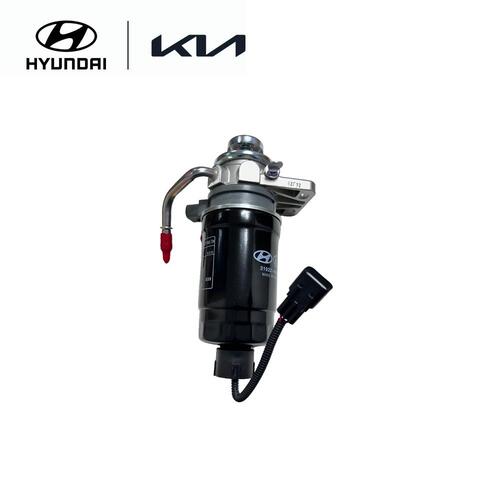
How it works
A diesel fuel filter removes solid contaminants before fuel reaches sensitive injection equipment. Designs with water separation also collect moisture that could damage fuel pumps and injectors.
What happens when it fails
A blocked filter restricts fuel delivery and can cause pressure loss under load. Damaged filtering material or ineffective water separation can expose injection components to contamination.
Signs of wear or failure
- Loss of power during acceleration
- Extended engine cranking
- Engine stalling under load
- Low fuel supply pressure during diagnostic testing
Usually replaced together with
- Fuel filter sealing rings
- Damaged fuel line connector seals
- Water drain seal where fitted
Replacement notes
- Clean the surrounding area before disconnecting fuel lines.
- Transfer reusable sensors or fittings only when the filter design requires it.
- Prime and bleed the fuel supply system before attempting to start the engine.
Questions and answers
- Can a blocked diesel filter damage the injection pump?
- Restricted fuel delivery can impair lubrication and cooling in fuel-lubricated pump designs, increasing the risk of internal wear.
- Why will the engine not start after changing the filter?
- Air trapped in the fuel supply circuit may prevent fuel pressure from building. Follow the appropriate priming procedure and inspect the connections for air leaks.
- Should I fill the replacement filter with diesel before installation?
- Use the manufacturer's priming procedure. Pouring unfiltered fuel into the clean side of the filter can introduce contaminants directly into the injection system.