How it works
An engine under cover reduces direct exposure of the engine compartment to water and road debris. It can also contribute to underbody airflow and noise management.
What happens when it fails
A damaged cover leaves lower engine components exposed. Loose sections may contact neighboring panels or moving road surfaces.
Signs of wear or failure
- Rattling beneath the engine
- Sagging cover edges
- Missing mounting clips
- Increased dirt accumulation beneath the engine
Usually replaced together with
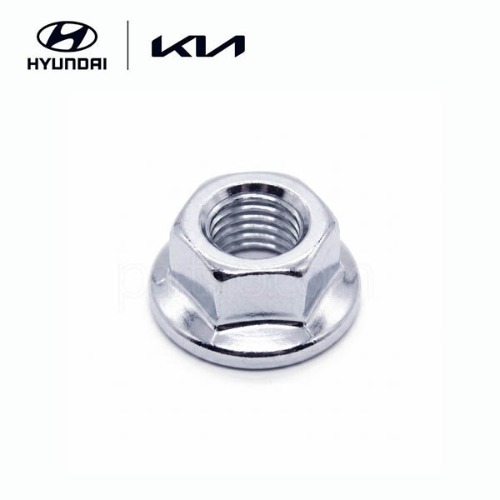
- Cover retaining bolts
- Plastic clips
- Damaged mounting retainers
Replacement notes
- Use a lift or suitable vehicle supports
- Check for existing fluid leaks above the cover
- Align all mounting holes before tightening
Questions and answers
- Is an engine under cover the same as a metal skid plate?
- A conventional cover primarily manages splash and airflow rather than resisting heavy impacts.
- Can oil damage the cover?
- Prolonged exposure may degrade some cover materials and collect abrasive dirt.
- Does the cover need removal for servicing?
- Access depends on the location of service openings and the components being maintained.