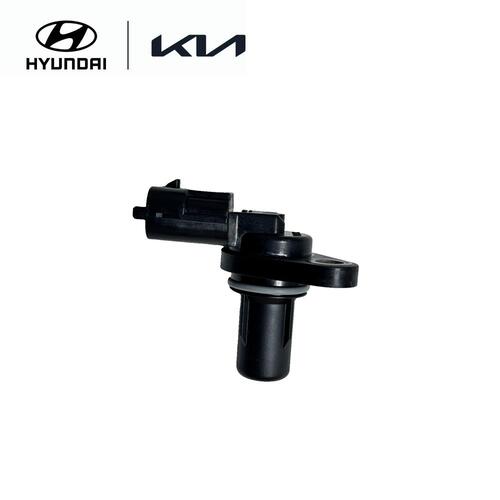
How it works
An air intake hose connects sections of the engine air intake tract. Its flexible construction accommodates engine movement while maintaining a sealed airflow path.
What happens when it fails
Cracks can admit unfiltered air or allow air to bypass the airflow measurement system where fitted. A collapsed hose can restrict the engine's air supply.
Signs of wear or failure
- Cracks around flexible hose folds
- Hissing from the intake tract
- Hesitation during acceleration
- Unstable idle when leakage affects measured airflow
Usually replaced together with
- Intake hose clamps
- Damaged breather hose connectors
- Intake connection seals
Replacement notes
- Loosen the clamps and disconnect attached breather lines where fitted.
- Inspect the connecting surfaces for damaged fittings or old seal material.
- Avoid twisting the hose or overtightening clamps against plastic connections.
Questions and answers
- Can I temporarily repair a cracked intake hose with tape?
- Tape may not maintain an airtight seal under engine heat, vibration and movement. A deteriorated hose should be replaced.
- How can I locate a small intake hose leak?
- Flex the hose while inspecting its folds and use an appropriate intake smoke test to locate concealed leaks.
- Can I reuse the original hose clamps?
- Reuse clamps only if they remain undamaged and provide even sealing pressure around the connections.